
Internal Dashboard Redesign
Company Thermo Fisher Scientific
Product B2B - Internal CSR Request Management Tool
Role UX Designer & Team Lead
Team Product Manager, Engineering, Customer Service
Timeline 4 months
Focus Areas
Internal tools UX
Operational workflow design
CSR productivity
Request management visibility
Overview
Problem
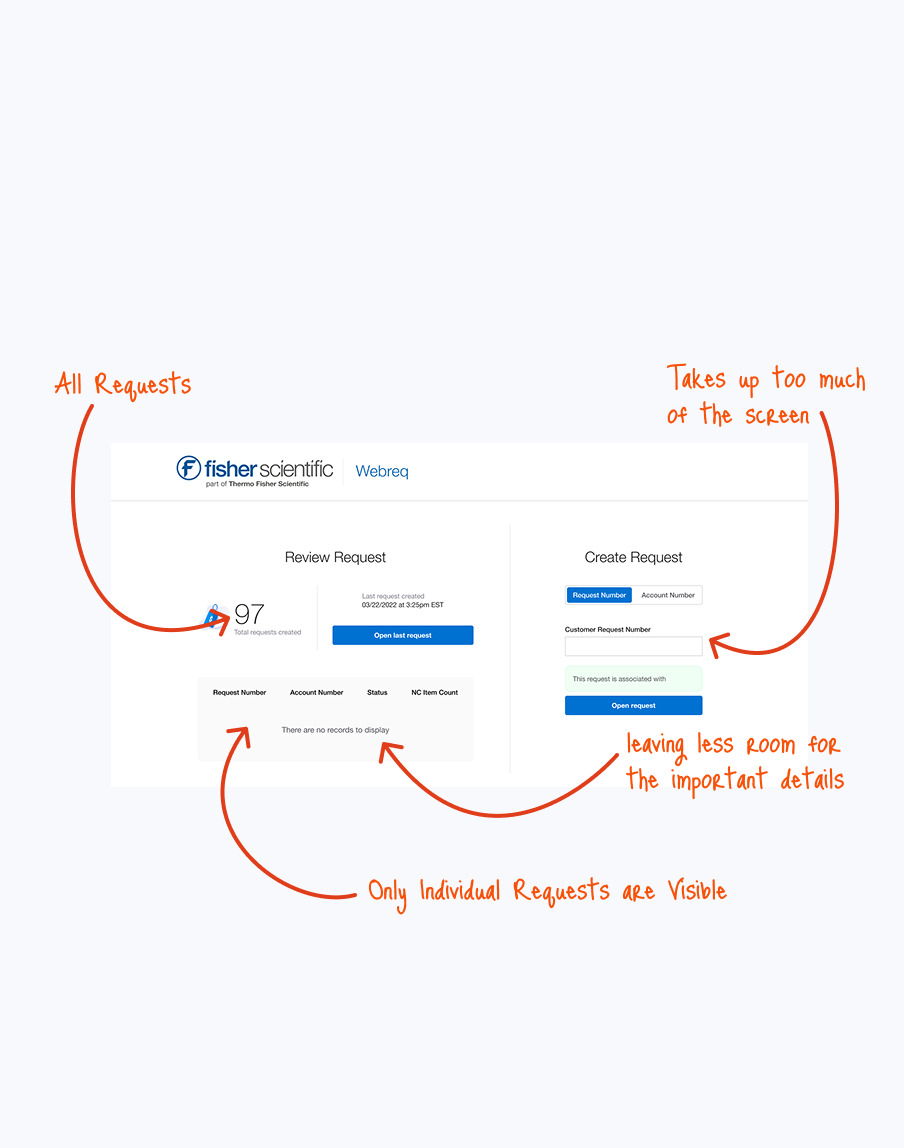
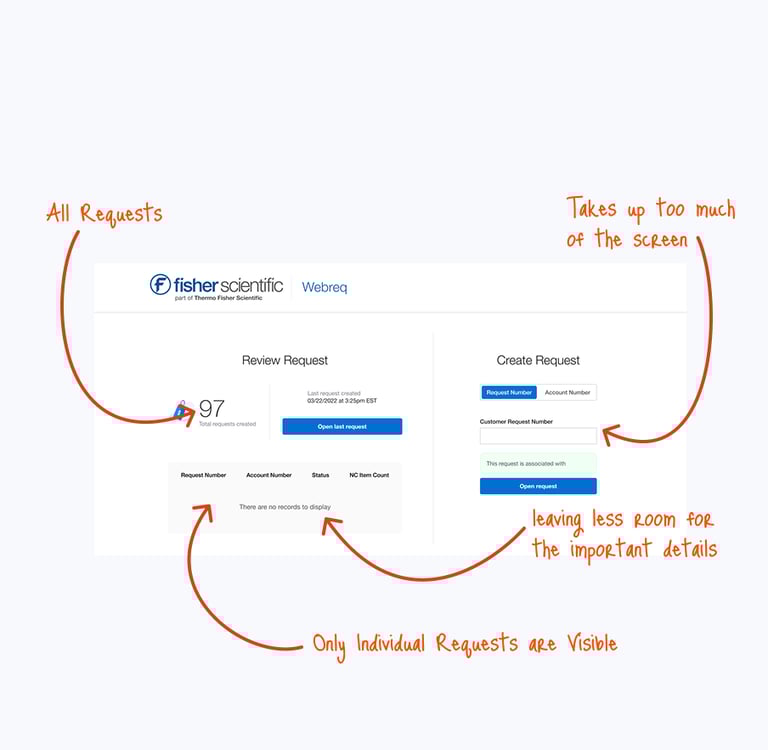
WebReq supported a high-volume operational workflow for CSRs handling customer item requests. However, the tool was designed around individual ownership, while the actual work required team collaboration and flexibility.
Through stakeholder conversations and observation of real CSR workflows, several challenges emerged.
Key Issues
CSRs could only view requests assigned to themselves
No ability to add internal notes or contextual comments
Requests could not easily be reassigned when coverage changed
Limited visibility made it easy for requests to stall or fall through the cracks
Because these requests were tied directly to customer needs, delays or missed items could negatively impact both service quality and operational efficiency.
My Role
I led UX research and design efforts to improve the WebReq dashboard experience.
My responsibilities included:
Observing CSR workflows in real operational contexts
Conducting workflow walkthroughs using real requests
Gathering usability feedback directly from users
Identifying key workflow breakdowns
Designing improvements to support team-based collaboration
Partnering with development to ensure the solution fit existing operational systems
Process
Methods:
Direct observation of CSRs using the existing system
Workflow walkthroughs with real request scenarios
Informal usability feedback gathered during live work sessions
Key insights:
The system was designed for individual ownership, but the workflow required shared team coordination.
Requests often moved between multiple team members depending on workload, expertise, or shift coverage, but the tool did not support this behavior.
Research & Discovery
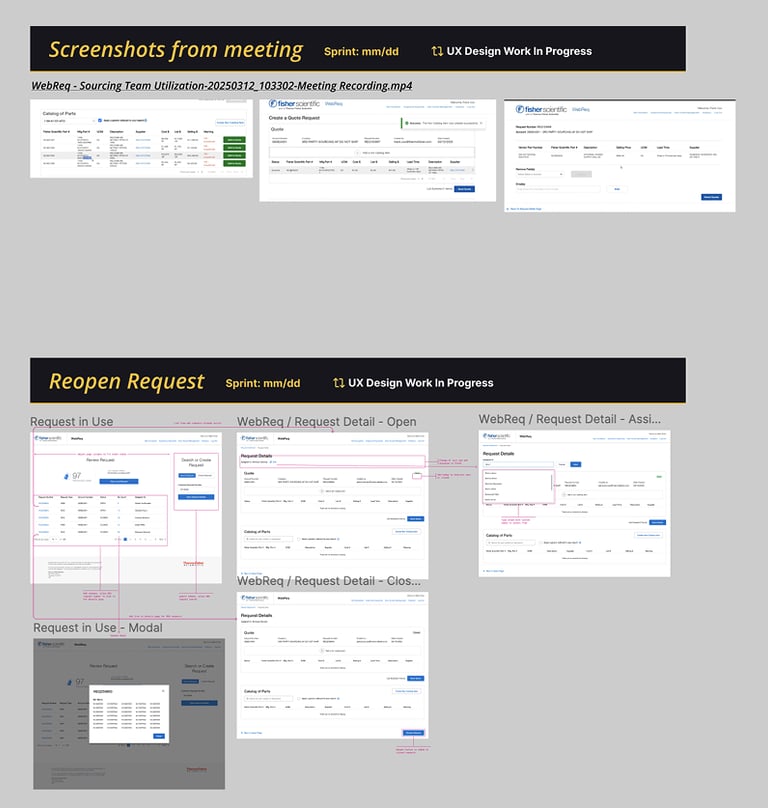
Based on research insights, I defined several key goals for the redesign.
Primary Objectives
Increase visibility of requests across the CSR team
Support shared ownership and request reassignment
Reduce manual tracking and follow-up work
Fit naturally into existing CSR workflows
Rather than dramatically changing the system, the focus was on introducing targeted improvements that would support collaboration while minimizing disruption to daily work.
Design Goals
Registration Flow Redesign
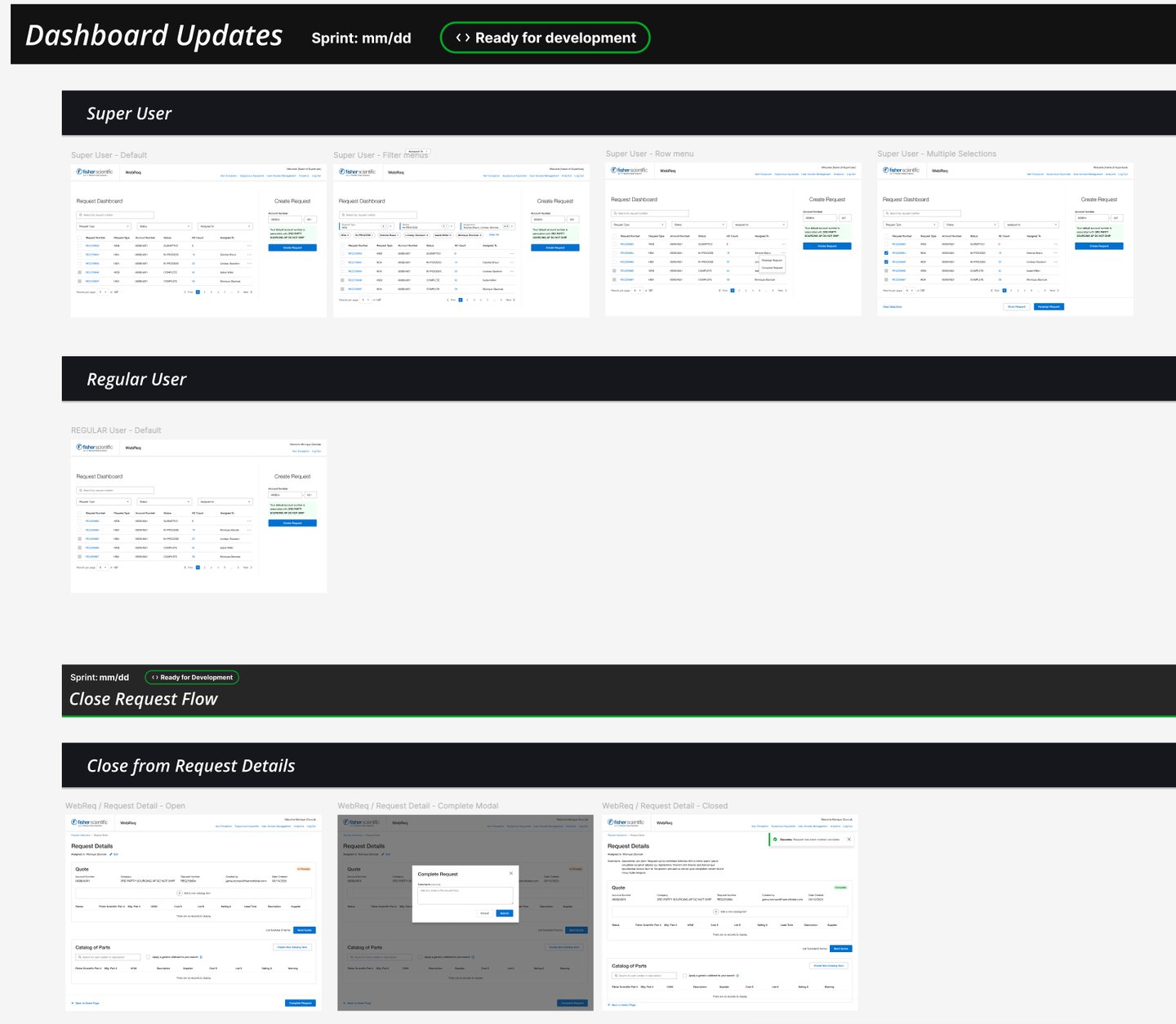
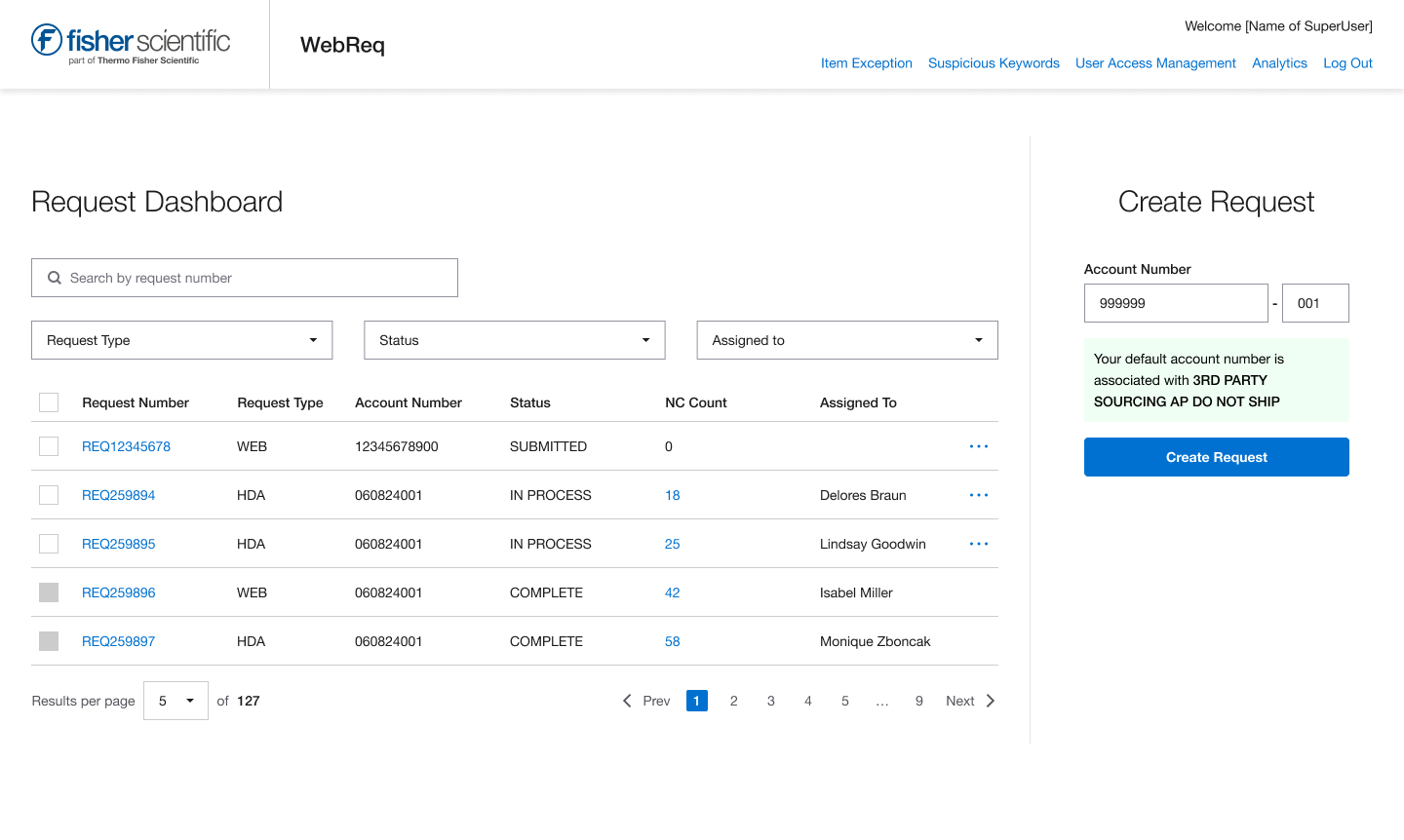
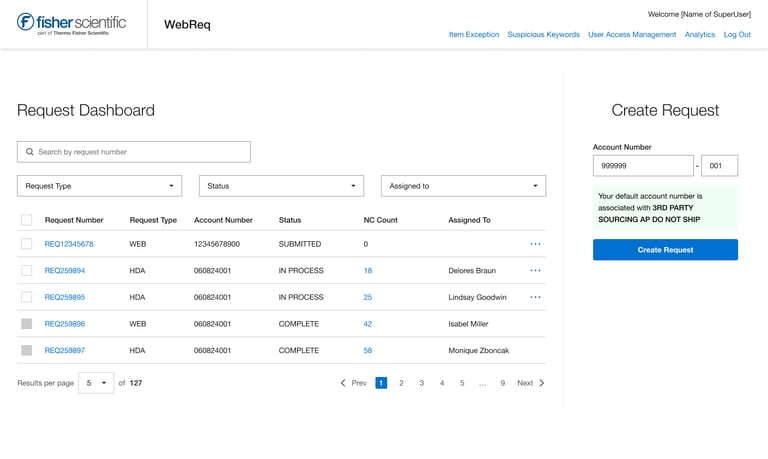
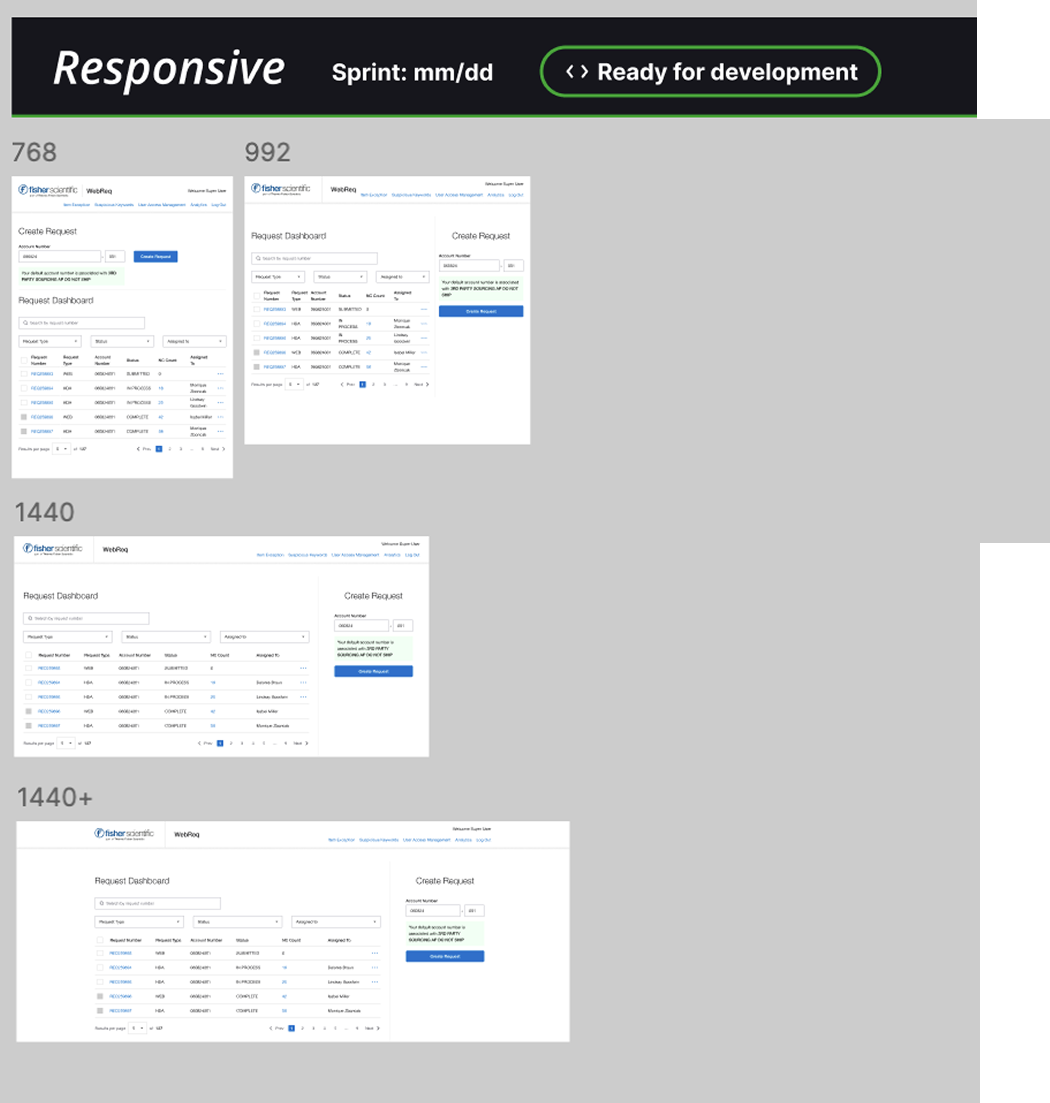
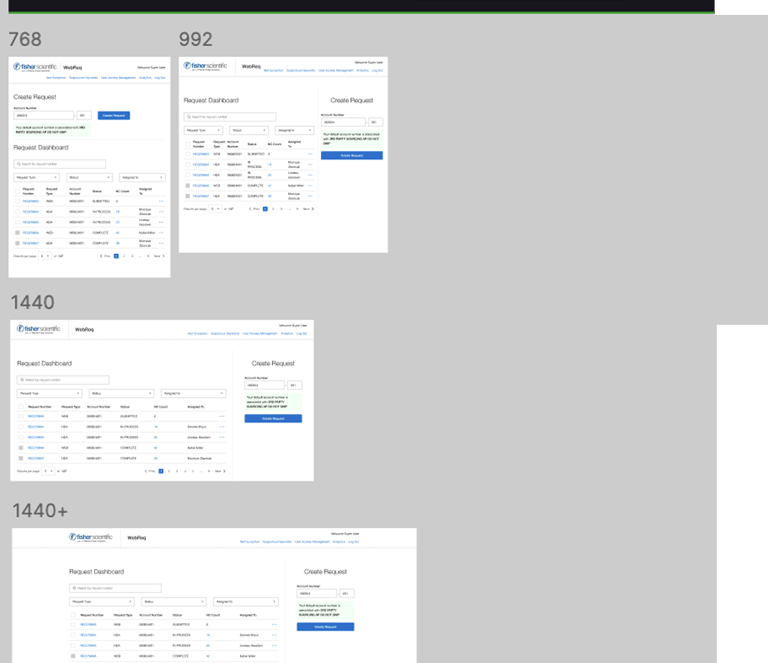
The redesigned dashboard introduced several improvements to better support team workflows.
Design Solutions
Team-Wide Request Visibility
CSRs could now view all open and in-progress requests across the team, allowing them to quickly identify items needing attention.
Internal Comments
A new comment feature allowed users to add context, updates, or decisions directly within a request, reducing reliance on external communication channels.
Request Reassignment
Requests could be reassigned when coverage changed, enabling smoother handoffs between team members.
Improved Status Awareness
Clearer request status indicators helped prevent requests from stalling or being forgotten.
Together, these changes transformed the dashboard from an individual task tracker into a collaborative team workspace.
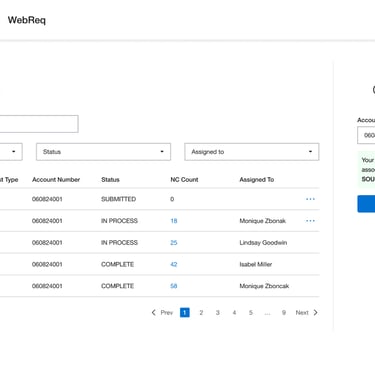
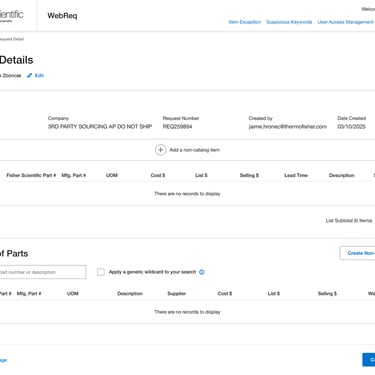
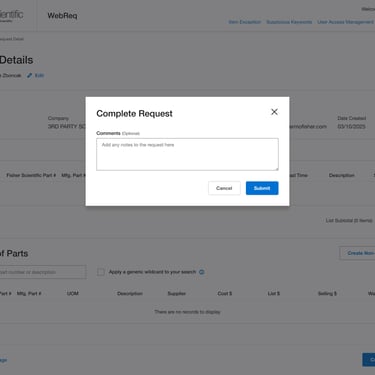
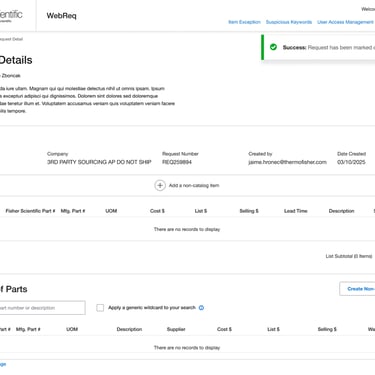
The redesigned dashboard improved both visibility and coordination within the CSR team.
Key Outcomes
Improved awareness of open and in-progress requests
Reduced risk of missed or forgotten items
Greater confidence among CSRs when handing off requests
Operational Benefits
Better team coordination
Fewer manual workarounds
A stronger foundation for future enhancements to the tool
These improvements helped ensure that customer requests could be managed more reliably across the team.
Results
Iteration & Next Steps
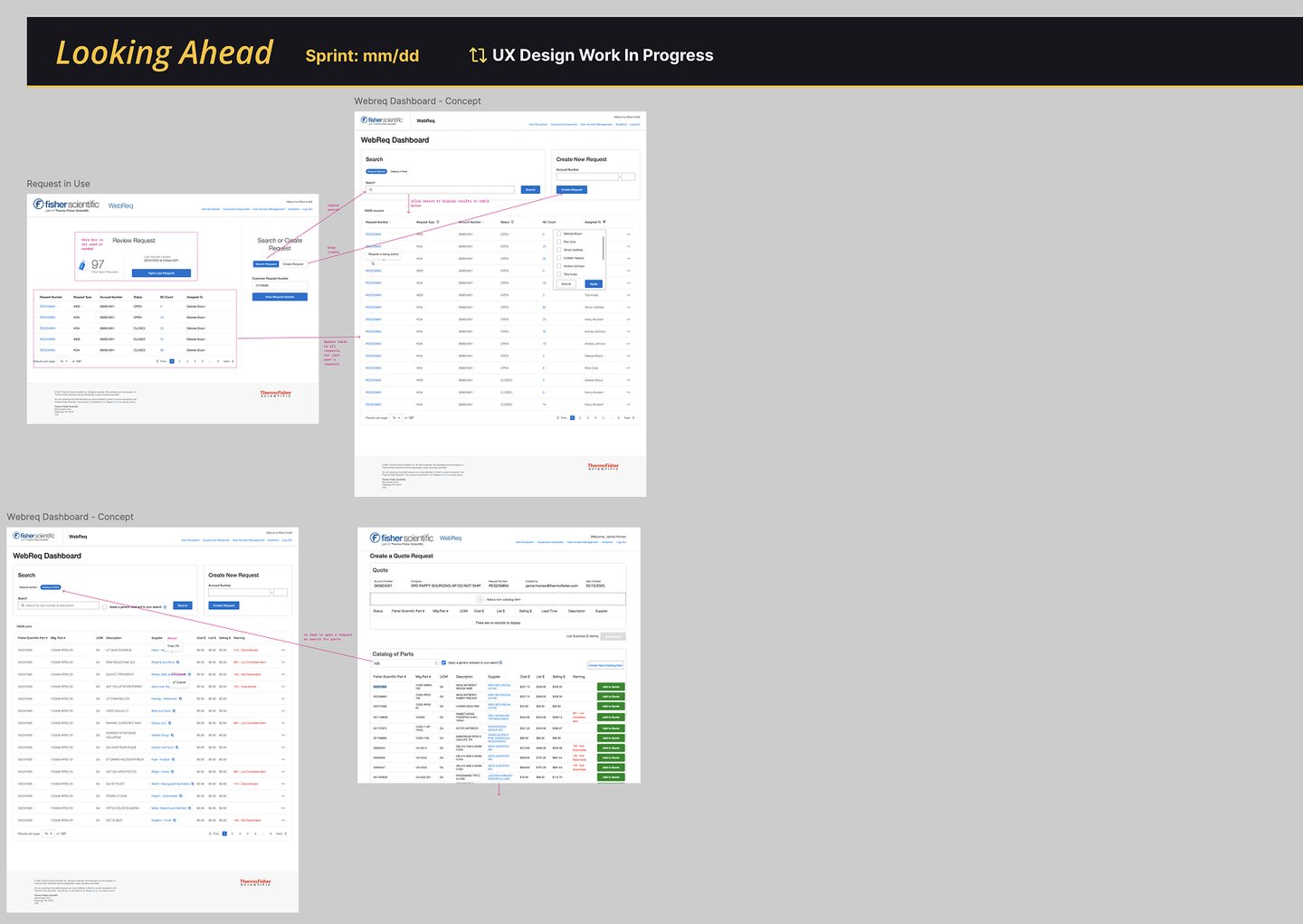
Following launch, continued observation of CSR workflows revealed an additional opportunity for improvement.
Phase 2 Opportunity
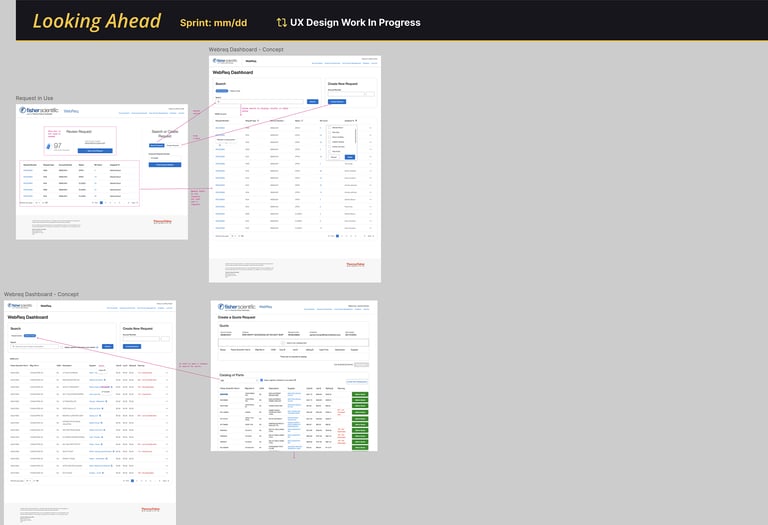
CSRs reported friction when searching for parts within the system. Finding the correct item often required multiple attempts due to inconsistent naming and search behavior.
The next phase of the project focuses on improving part search functionality to better support speed and accuracy in real-world CSR workflows.
Reflection
This project reinforced the importance of treating internal tools with the same design rigor as customer-facing products.
By grounding the work in real workflows and observing how teams actually used the system, we were able to uncover small but meaningful improvements that significantly improved operational visibility and collaboration.
Internal tools may be invisible to customers, but they play a critical role in enabling teams to deliver reliable service.
More
Projects I’ve led or contributed to, each focused on solving real product challenges through research, collaboration, and thoughtful design.

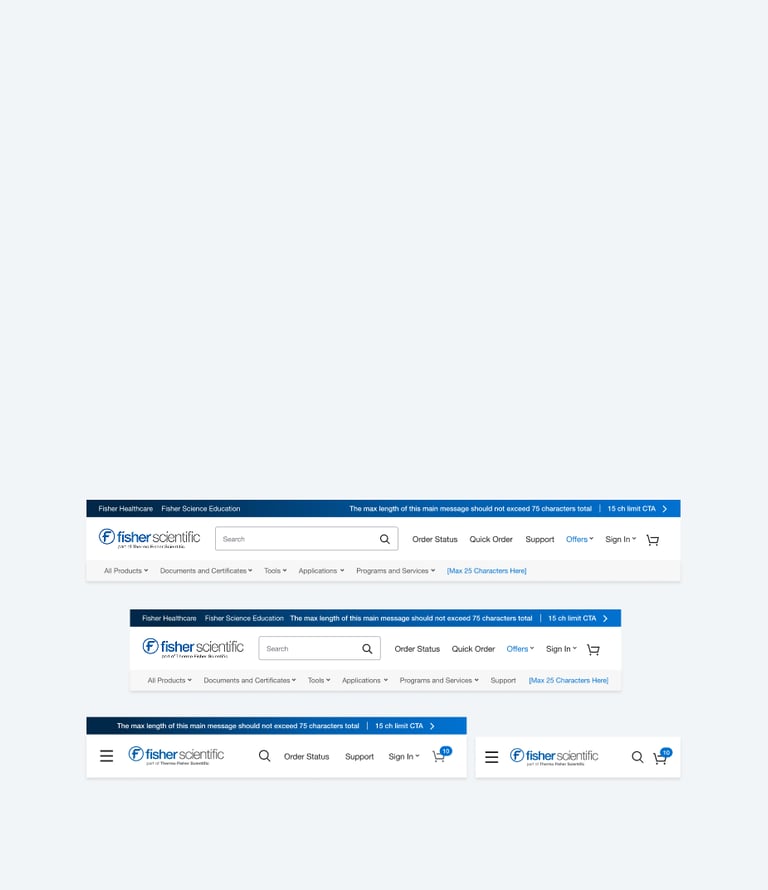
Improved product discoverability by exposing key navigation categories, leading to 42% user engagement with the new navigation and a 3.4% lift in conversion.
Global Header Redesign
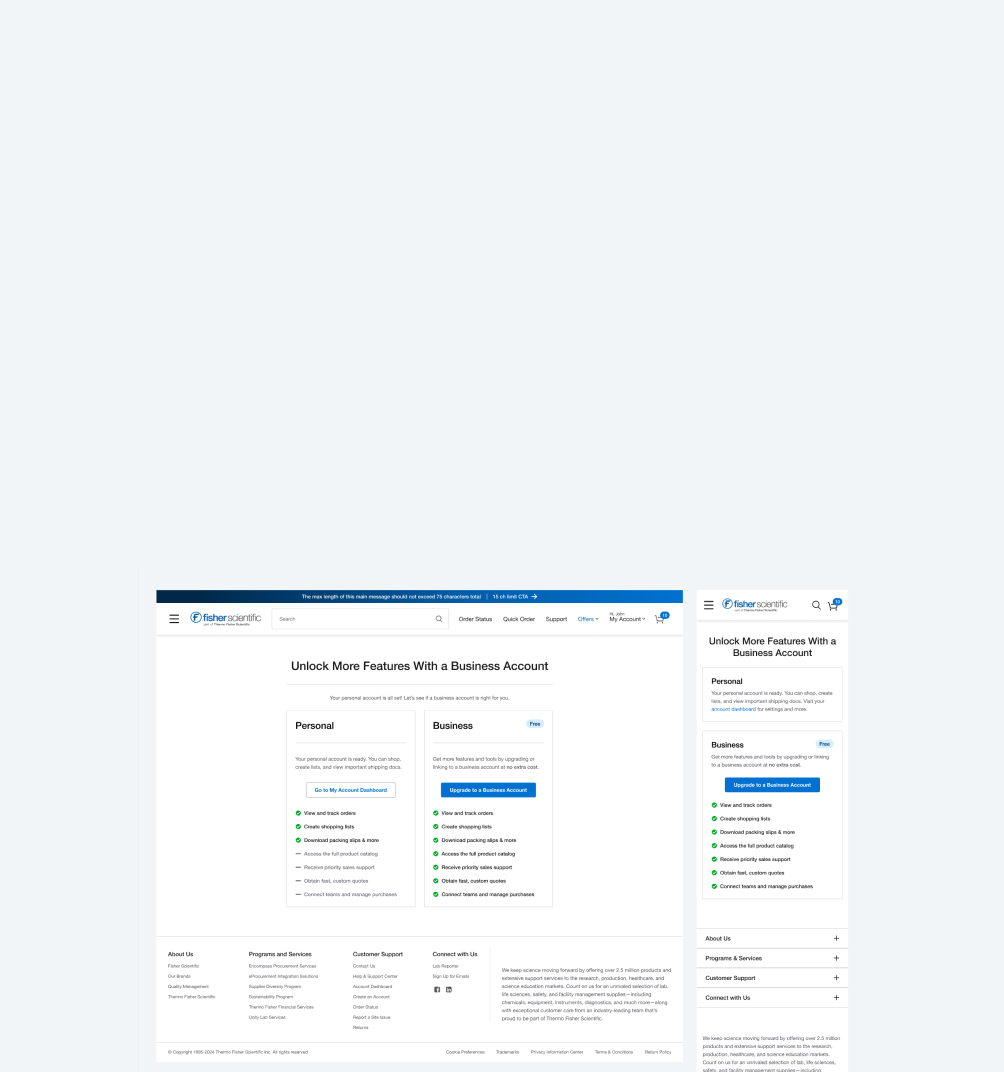
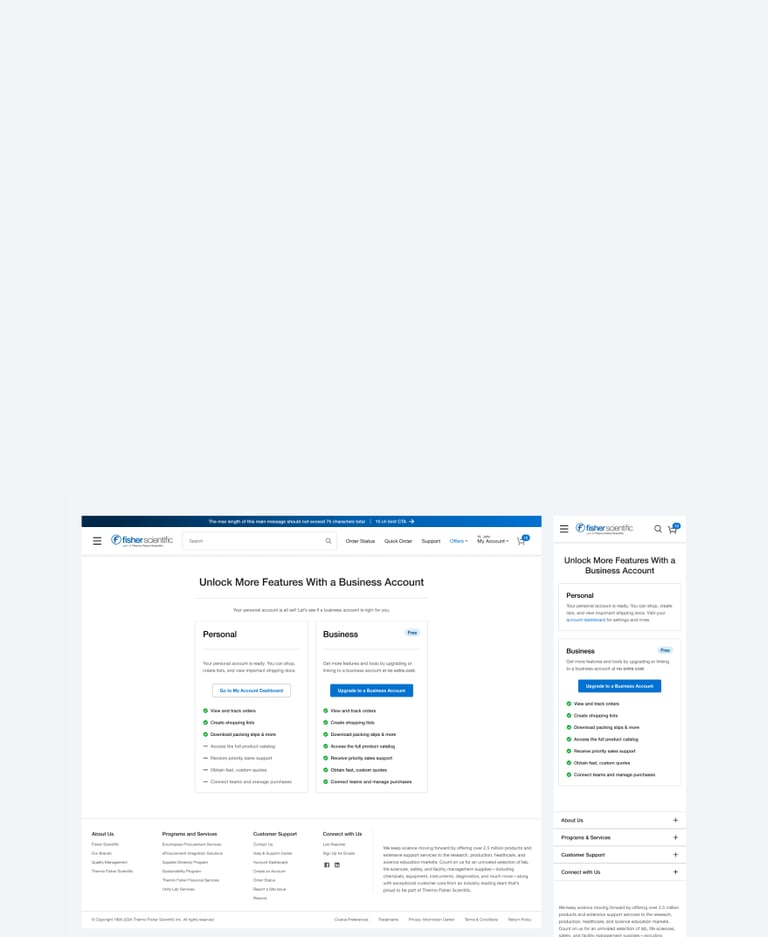
Optimizing Account Registration
Improving onboarding workflows and increasing business registration conversion through research, design thinking workshops, and iterative UX improvements.